How to Recover and Reset After a Sports Season
- Supprimez la classe actuelle de l'élément content27_link, car l'état actuel natif de Webflow sera automatiquement appliqué.
- Pour ajouter des interactions qui développent et réduisent automatiquement les sections dans la table des matières, sélectionnez l'élément content27_h-trigger, ajoutez un déclencheur d'élément et choisissez Clic de souris (tap).
- Pour le premier clic, sélectionnez l'animation personnalisée Table des matières Content 28 [Développer] et pour le deuxième clic, sélectionnez l'animation personnalisée Table des matières Content 28 [Réduire].
- Dans les paramètres du déclencheur, désélectionnez toutes les cases à cocher sauf Bureau et au-dessus. Cela désactive l'interaction sur les tablettes et en dessous pour éviter les bugs lors du défilement.
The Importance of a True Off-Season
At the end of any competitive or intense training period, it’s tempting to keep pushing. Many athletes fear losing fitness or momentum if they slow down. But recovery is not the opposite of progress — it’s what allows progress to continue. The off-season is when the body repairs, the mind decompresses, and motivation resets. Without it, fatigue accumulates quietly until performance starts to decline. Rest is not laziness; it’s intelligent preparation for what comes next. A good off-season gives your body time to rebuild and your mind the space to reflect, appreciate, and plan for the future.
Physical Recovery: Rest, Repair, and Reset
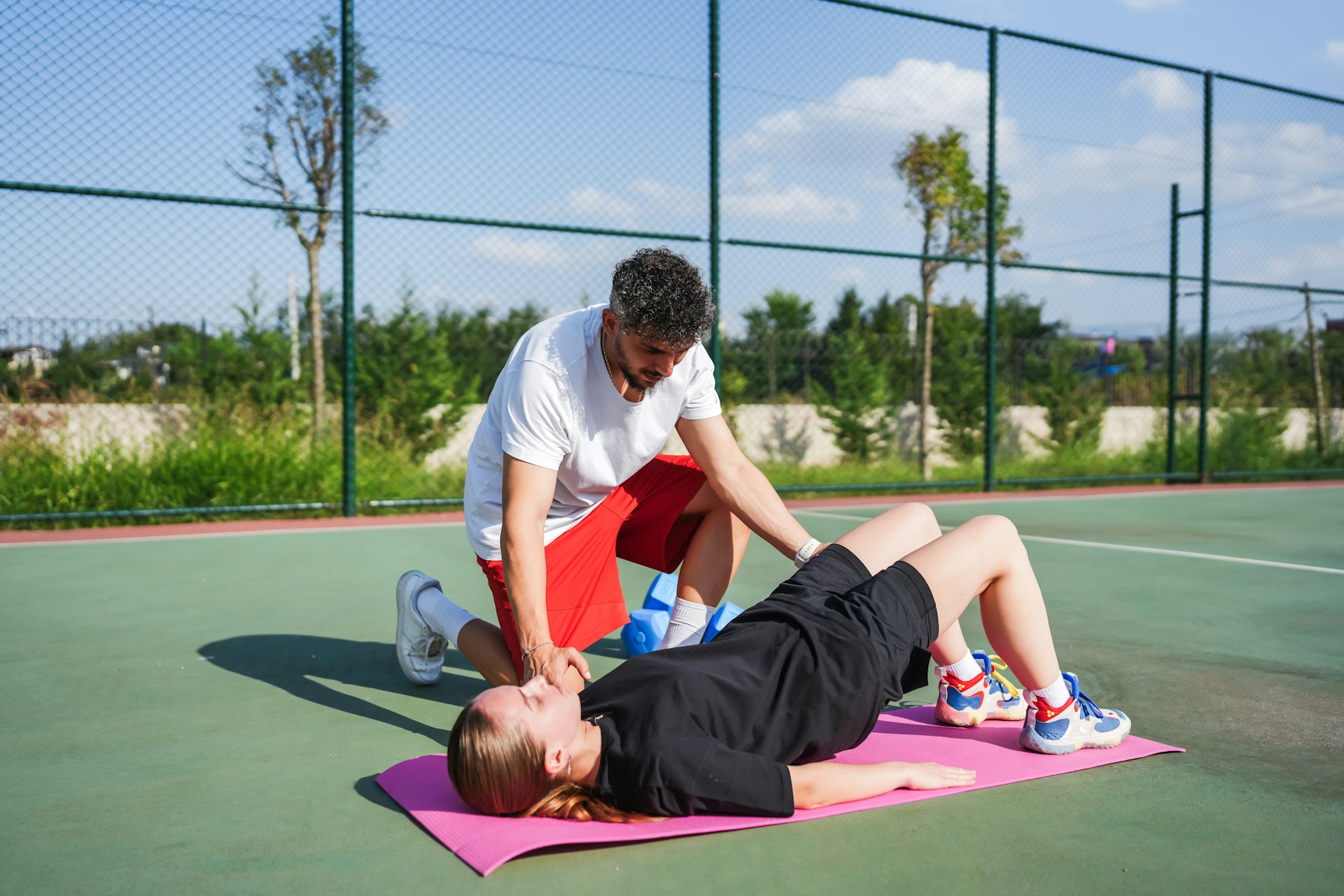
Physical recovery begins with giving your body a real break from intensity. For at least a few weeks, step back from structured training and let your energy systems reset. Gentle movement like walking, yoga, swimming, or low-impact cardio can help maintain mobility and circulation without strain. Prioritize sleep, hydration, and nutrition — these are the pillars of regeneration. It’s also the perfect time to address any minor injuries or imbalances that went unnoticed during the season. Athletes who respect this phase often return stronger and more efficient, while those who rush back in risk chronic fatigue or injury recurrence.
Mental Recovery: Reflection and Renewal
The end of a season is a powerful opportunity to step back and evaluate. What went well? What could have gone better? How did you feel during the most challenging moments? Taking time to reflect helps athletes reconnect with their “why.” The emotional load of competition can be heavy, and mental fatigue doesn’t disappear overnight. Create space for rest days that have nothing to do with sport — spend time with friends, travel, or simply disconnect. When the brain can slow down, creativity and motivation often come back stronger than ever. Coaches can support this by encouraging open conversations and celebrating achievements beyond just results.
Preparing for What’s Next
Once recovery feels complete, it’s time to shift focus toward light planning and goal-setting. Avoid jumping straight into hard training. Instead, start by identifying what you want to improve next season — whether it’s endurance, speed, technique, or mindset. Use this period to reset habits, refine routines, and rebuild your training plan step by step. Tools like Shaker can help structure this transition smoothly, keeping track of new schedules, sessions, and progress without overloading you too early. Structure brings calm, and calm brings clarity.
Final Thoughts
Recovering after a sports season isn’t just a pause — it’s an essential part of growth. Giving yourself permission to rest, reflect, and reset is what separates long-term performers from short-lived bursts of success. Listen to your body, respect your limits, and treat rest as training in disguise. When the next season begins, you’ll return not only fitter but refreshed, motivated, and ready to perform with purpose.
Discover more



Stay in touch!
Recevez nos derniers articles directement dans votre boîte mail.