The Role of Coaching in Sports: Guiding Performance and Growth

- Supprimez la classe actuelle de l'élément content27_link, car l'état actuel natif de Webflow sera automatiquement appliqué.
- Pour ajouter des interactions qui développent et réduisent automatiquement les sections dans la table des matières, sélectionnez l'élément content27_h-trigger, ajoutez un déclencheur d'élément et choisissez Clic de souris (tap).
- Pour le premier clic, sélectionnez l'animation personnalisée Table des matières Content 28 [Développer] et pour le deuxième clic, sélectionnez l'animation personnalisée Table des matières Content 28 [Réduire].
- Dans les paramètres du déclencheur, désélectionnez toutes les cases à cocher sauf Bureau et au-dessus. Cela désactive l'interaction sur les tablettes et en dessous pour éviter les bugs lors du défilement.
The Human Side of Performance
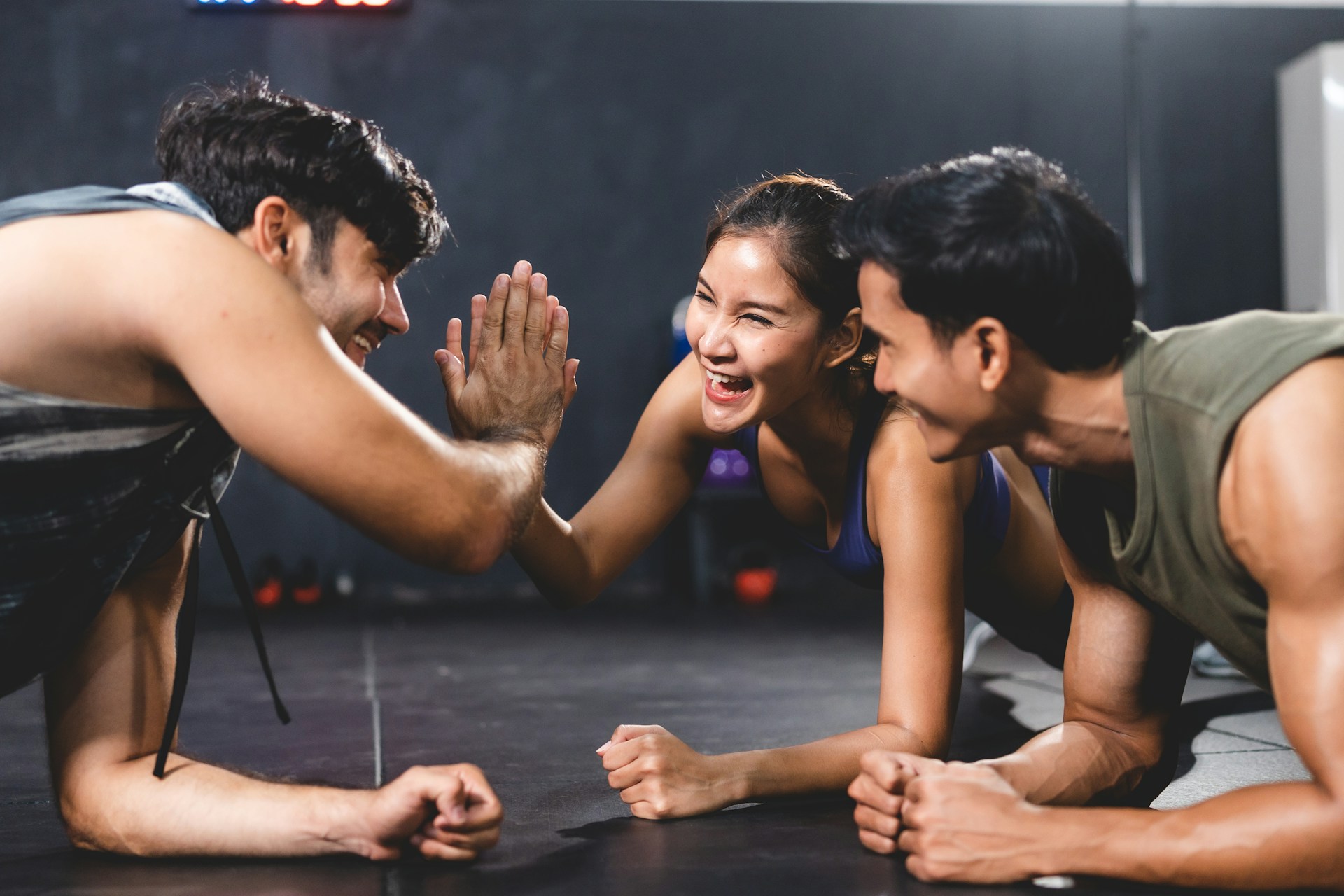
Coaching in sports is about far more than improving technique or winning games. At its core, it’s about helping athletes become the best version of themselves — physically, mentally, and emotionally. A coach has the power to influence how an athlete sees challenges, handles setbacks, and builds confidence. Good coaching creates an environment of trust, where players feel supported but also pushed to grow. This balance between empathy and discipline is what separates a coach who trains movements from one who truly develops people.
When athletes feel understood and valued, they train harder, recover faster, and show greater resilience. The best coaches know that the key to performance lies not only in physical preparation but also in belief — teaching their athletes to think, adapt, and lead under pressure.
Building the Foundation for Long-Term Development
Coaching is not just about immediate results; it’s about shaping habits that last a lifetime. From youth academies to professional levels, the guidance of a coach helps athletes develop discipline, structure, and self-awareness. Each session, drill, or conversation contributes to building these qualities. A skilled coach knows when to push and when to hold back, ensuring progress happens without burnout or injury.
Consistency is where true growth happens. The role of the coach is to keep training purposeful, adjust methods as the athlete evolves, and provide the kind of feedback that keeps motivation alive. In this sense, great coaching is both an art and a science — combining data-driven insight with human connection.
Communication, Trust, and Leadership
Athletes perform best when they trust their coach. Communication is the foundation of that trust. A coach who listens, explains clearly, and involves athletes in their own development fosters autonomy and accountability. Over time, this relationship becomes a partnership rather than a hierarchy. Coaches also act as role models, setting standards for behavior, teamwork, and resilience. Their attitude during tough times often shapes how their athletes respond to challenges.
Whether it’s helping a teenager build confidence after a loss or guiding an experienced athlete through recovery, effective coaching goes far beyond tactics — it’s leadership in motion.
The Modern Coach’s Toolbox
Today’s coaches have more resources than ever to support their athletes. From performance analytics to digital scheduling tools, technology can enhance communication and consistency. Platforms like Shaker allow coaches to manage bookings, track sessions, and share notes with clients seamlessly — creating more time for what matters most: coaching. These tools don’t replace the human connection; they strengthen it by keeping structure simple and transparent for both coach and athlete.
Final Thoughts
The role of coaching in sports continues to evolve, but its essence remains the same: guiding people toward progress through care, structure, and belief. Great coaches don’t just produce results — they build character, confidence, and a lifelong love for the game. Whether you’re a player seeking growth or a coach refining your craft, remember that every session, word, and action shapes a journey much bigger than sport itself.
Discover more


Stay in touch!
Recevez nos derniers articles directement dans votre boîte mail.